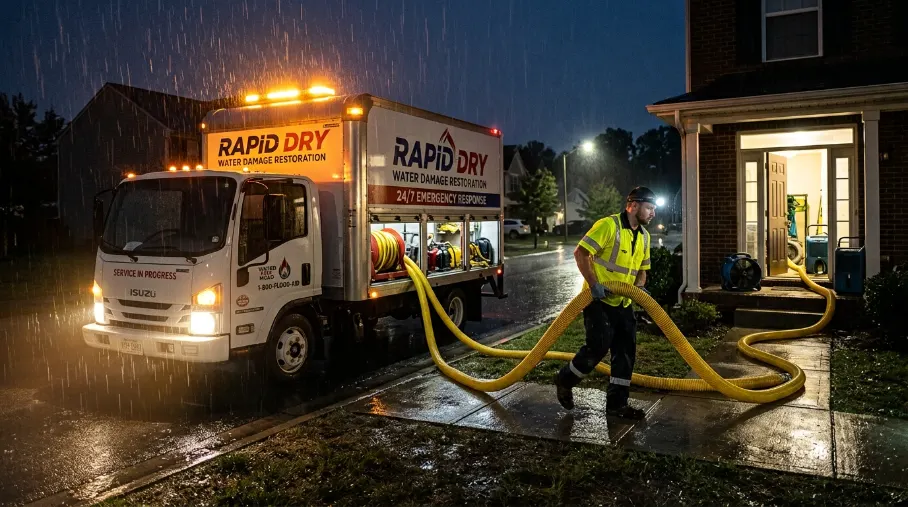
Emergency Water Damage
Emergency water damage requires immediate, around-the-clock professional intervention to stop water migration, isolate electrical ...
When Lake Erie storms surge or a frozen pipe bursts without warning, Lakewood homeowners need rapid professional water mitigation before structural deterioration begins. Our response crews deploy commercial extraction equipment, LGR dehumidifiers, and FLIR thermal cameras to halt water migration and protect both historic and modern properties from rot and mold.
When searching for reliable water damage restoration near me, property owners throughout Lakewood need a trusted, local water damage restoration company that understands Northeast Ohio architecture. At Lakewood Water Damage Restoration, our emergency water damage restoration service provides 24/7 rapid response for residential and commercial properties facing unexpected plumbing failures, seasonal storms, or foundation breaches.
As dedicated moisture extraction specialists, our crew delivers comprehensive water damage cleanup near me and expert water damage repair near me. From historic century homes in Birdtown to multi-story condominiums on the Gold Coast, we handle complex structural water mitigation and thorough water intrusion remediation. Whether you require immediate residential water damage drying or heavy flood damage restoration near me after a sudden Lake Erie squall, our team brings industrial-grade drying technology directly to your doorstep.
We understand why architectural knowledge matters in Lakewood. Built primarily between 1900 and 1930, Lakewood's housing stock features distinct building assemblies—deep porous sandstone foundations, balloon-frame construction with open vertical wall chases, quartersawn oak hardwood floors over pine subfloors, and vintage clay sewer laterals. These historic materials absorb moisture differently than modern drywall and require specific psychrometric drying protocols rather than generic teardowns.
When standing water intrudes, whether from a supply line burst, a frozen winter pipe along an exterior wall, an appliance overflow, or a combined sewer backup during Lake Erie storm surges, water behaves according to physical laws. Moisture migrates through drywall wicking, saturates insulation, penetrates wall cavities, and pools beneath subfloors. Without rapid extraction and controlled dehumidification from an established water damage restoration service, trapped dampness can lead to wood rot and create conditions favorable for mold germination.
The appropriate mitigation procedure depends entirely on the cleanliness of the water source. Contaminated water requires distinct handling, protective equipment, and sanitization protocols.
Originates from sanitary sources such as broken domestic water supply lines, overflowing sinks, failing water heater tanks, or melting ice dams. Poses minimal immediate biological hazard if addressed promptly.
Contains chemical, physical, or biological nutrients that may cause discomfort or sickness. Examples include dishwasher discharges, washing machine overflows, sump pump failures, or toilet overflows without feces.
Grossly unsanitary water carrying pathogenic agents, bacteria, and sewage. Common during Lakewood combined municipal sewer backups, lake floodwaters, and standing water that has fostered bacterial activity.
When water breaches your home or facility, you need a restoration contractor that combines technical precision with genuine local understanding.
We understand Lakewood's unique century-old double-family homes, vintage sandstone basements, and clay sewer lateral infrastructure.
Standing water begins warping hardwood floors and breeding microbes within hours. Our heavy-duty extraction units evacuate water rapidly.
We don't just pull the visible puddles. We use psychrometric drying principles and commercial air movers to draw moisture out of studs and subfloors.
Using calibrated non-invasive moisture meters and infrared thermal imaging, we find trapped water pockets inside walls and under flooring without destructive demolition.
From clean supply pipe bursts to Category 3 sewer backups, our crews apply professional antimicrobial disinfectants to ensure clean, safe living spaces.
No aggressive sales pitches or manufactured statistics. You receive clear documentation, photos, and itemized moisture logs.
When unexpected water intrudes, our dependable water damage restoration in Lakewood, OH pairs fast dispatch with specialized water restoration services in Lakewood, OH engineered for both residential and commercial structures.
Emergency water damage requires immediate, around-the-clock professional intervention to stop water migration, isolate electrical ...
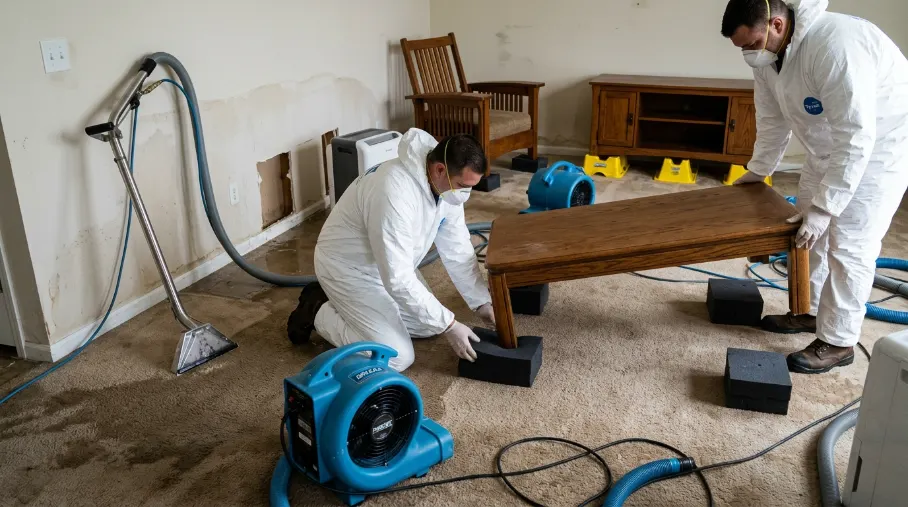
Water damage cleanup is the intensive physical decontamination, surface washing, debris removal, and microbial sanitization requir...
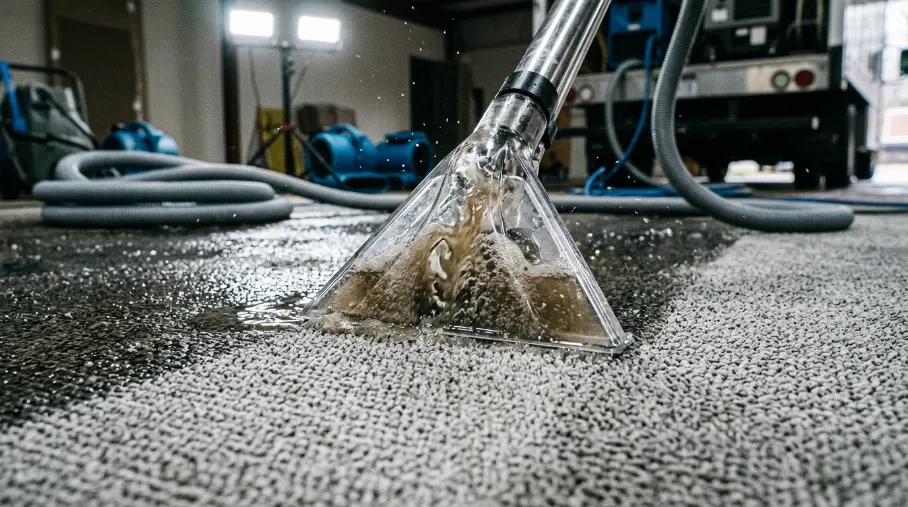
Water extraction is the physical, mechanical removal of free standing liquid water from residential and commercial properties befo...
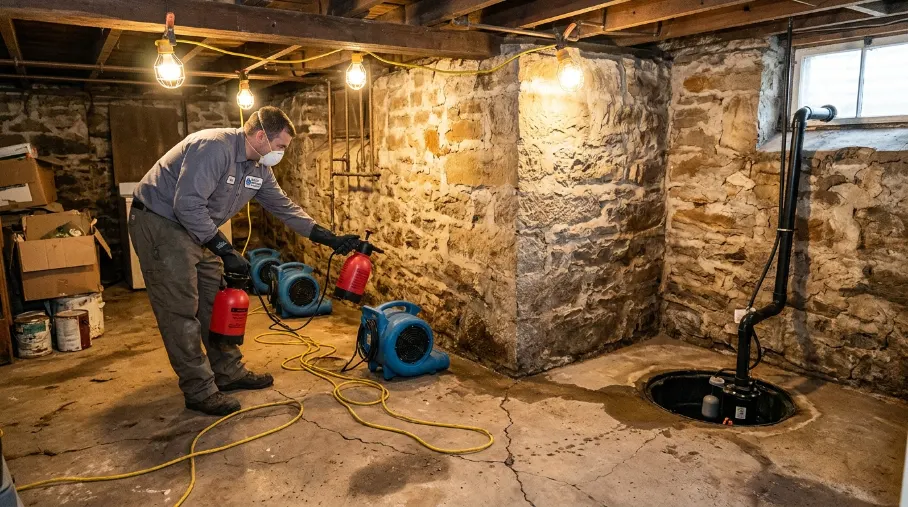
Basement water damage is a frequent and serious threat to properties in Lakewood, Ohio, where century-old sandstone foundations, h...
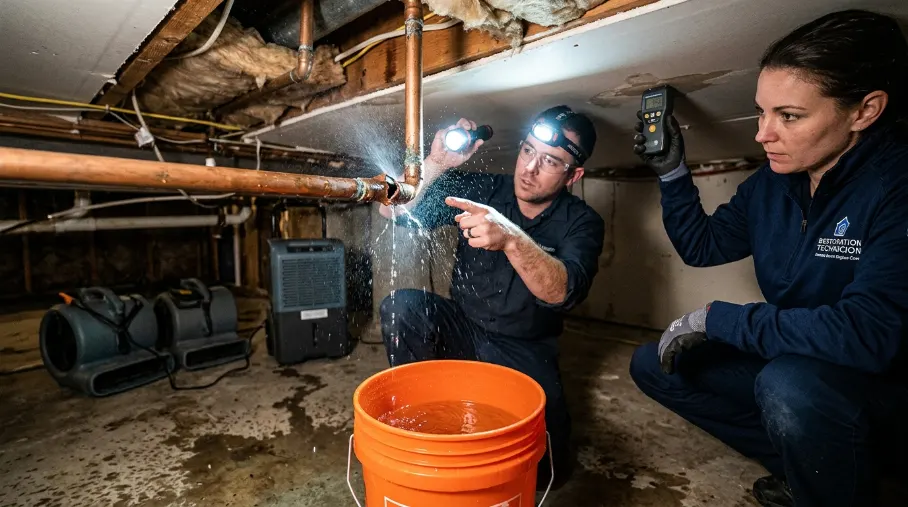
Burst pipe water damage is an immediate structural crisis caused by severe winter freeze-thaw cycles, corroded domestic plumbing l...
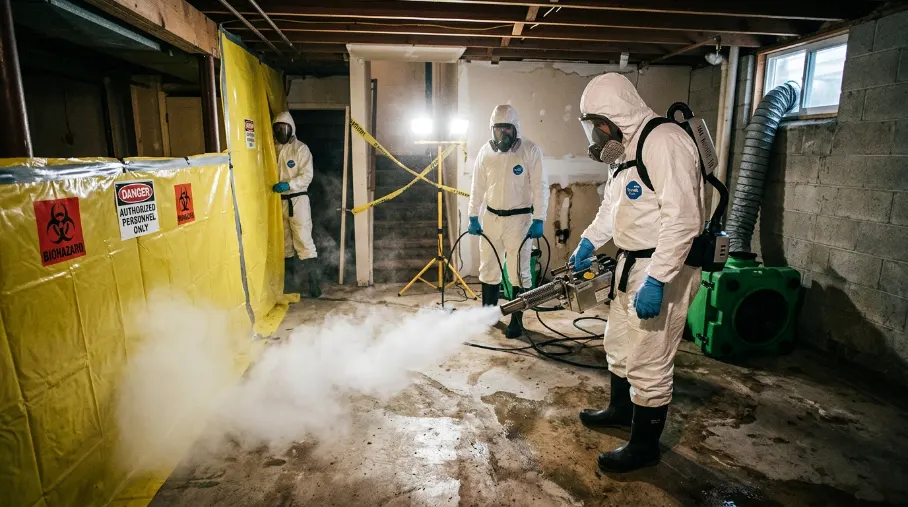
Sewage cleanup is an immediate biohazard emergency requiring professional containment, Category 3 blackwater extraction, and hospi...
Successful structural recovery requires a methodical, science-driven procedure that eliminates standing moisture, restores indoor air balance, and safeguards structural integrity.
We inspect the property, identify the water source, determine the water contamination category (Cat 1, 2, or 3), and assess immediate electrical and structural safety risks.
Using commercial truck-mounted and portable extraction units, we remove bulk standing water from carpets, hardwood floors, concrete basements, and living areas.
We scan walls, ceilings, baseboards, and subfloors with infrared thermal cameras and calibrated moisture meters to locate concealed water paths without invasive demolition.
Industrial centrifugal air movers and Low Grain Refrigerant (LGR) dehumidifiers are positioned to evaporate bound moisture from wood studs, joists, plaster, and subflooring.
We apply professional antimicrobial treatments to salvaged structural elements, neutralize odors, and decontaminate surfaces exposed to gray or black water.
Technicians conduct daily psychrometric readings, measuring relative humidity, temperature, and material moisture content until structural equilibrium dry standards are achieved.
Once materials are thoroughly verified dry, we handle finishing repairs—replacing removed drywall sections, installing new baseboards, repairing flooring, and restoring your property to pre-loss condition.
Taking safe, immediate steps before mitigation crews arrive helps limit structural damage, protects indoor air quality, and preserves personal safety.
We provide dedicated emergency water mitigation across residential neighborhoods, commercial corridors, and lakefront condominium districts in Lakewood 44107.
When Lake Erie squalls or shoreline groundwater saturation compromise your property, our team delivers prompt water dama...
Water leaks in high-rise condominium environments demand specialized engineering and rapid containment. Our crew provide...
Nestled along the Rocky River basin near the marina corridors, Captains Cove properties contend with unique river valley...
Clifton Boulevard is renowned for its grand century doubles and historic residences. When radiator leaks, burst pipes, o...
Clifton Park is home to Lakewood's most distinguished lakefront and ravine estates. When severe weather breaches buildin...
Clifton Prado is a classic, shaded residential street lined with distinguished early-20th-century family homes. When fro...
Edgewater Towers represents iconic Gold Coast multi-story living overlooking Lake Erie. When plumbing riser leaks, fan-c...
Lakewood's Gold Coast is Ohio's most densely populated lakefront corridor, defined by luxury high-rise condominiums and ...
Clear, direct answers regarding emergency mitigation, insurance claims, structural drying times, and property preservation in Lakewood.
General industry ranges include: clean water extraction in a single room (Category 1) from $500 to $1,500; multi-room gray water mitigation (Category 2) from $2,000 to $4,500; and Category 3 sewage backups or heavy flood inundation from $4,000 to $12,000+. Hardwood floor vacuum-mat drying, when salvageable, typically adds $300 to $800. These are general industry estimates; call (216) 460-0321 for an on-site property assessment.
Standing water continuously migrates into porous building assemblies such as drywall, subfloors, and wood framing. Inadequate drying or delays beyond 48 hours significantly elevate the risk of secondary structural damage, wood warping, and microbial amplification. Immediate extraction halts progressive deterioration.
Because Lakewood features aging combined municipal sewer lines that can surge during heavy storms, property owners frequently need a dedicated "Water Backup of Sewer or Drain" rider for basement drain coverage. We supply itemized moisture readings, photographs, and daily drying logs to streamline your insurance claim documentation.
Using commercial floor-mat suction panels and Low Grain Refrigerant dehumidifiers, moisture is pulled directly from the hardwood planks and underlying pine subfloors. However, if the water source was contaminated Category 3 sewage or remained standing for an extended period, replacement is typically required for sanitary reasons.
The exact duration depends on the volume of water, how long materials were saturated, and the density of the building assemblies. Historic plaster and lath walls, thick subfloor systems, and porous sandstone basement blocks retain water longer and require disciplined psychrometric monitoring to reach dry baseline standards.
Mold spores exist harmlessly throughout outdoor and indoor air, but when building materials like drywall paper, framing studs, or carpet backings remain damp without proper airflow and dehumidification, spores can activate. Rapid water extraction, psychrometric drying, and antimicrobial application eliminate the moisture conditions that allow mold to propagate.
Category 1 water comes from pressurized supply lines. Category 2 originates from washing machines, dishwashers, or sump pump overflows. Category 3 includes municipal sewage backups and river or lake flooding. While Category 1 can be dried in place if treated early, Category 3 requires personal protective equipment (PPE), removal of saturated porous items, and biocidal disinfection.
While insurance carriers may suggest vendors from their preferred network, you are never obligated to use them. Working with an independent local restoration professional ensures that the drying and repairs are prioritized solely for your home's structural well-being rather than carrier cost caps.
Heavy lakefront storm surges can overwhelm municipal sewer mains, pushing water backwards through floor drains into basements lacking backwater valves. Furthermore, groundwater hydrostatic pressure against older sandstone mortar joints causes subterranean seepage, requiring reliable sump pumps and foundation moisture mitigation.
Our rapid response vehicles are stationed locally within Lakewood, ensuring fast transit to emergencies from Lake Erie to the Rocky River valley.
Connect with our Lakewood dispatch team for immediate property triage.
Our rapid emergency mitigation units are stationed locally within Lakewood municipal limits. The map below outlines our official 24/7 service perimeter—from Lake Erie to the Rocky River valley.
Bluff-top properties, Clifton Lagoon, Lakewood Park, and Gold Coast high-rises.
Residential doubles, rail corridors, and southern industrial/commercial districts.
West End commercial strip, Detroit Road bridge, and Clifton Park ravine estates.
Historic Birdtown neighborhood, Highland Ave, and eastern municipal border.